

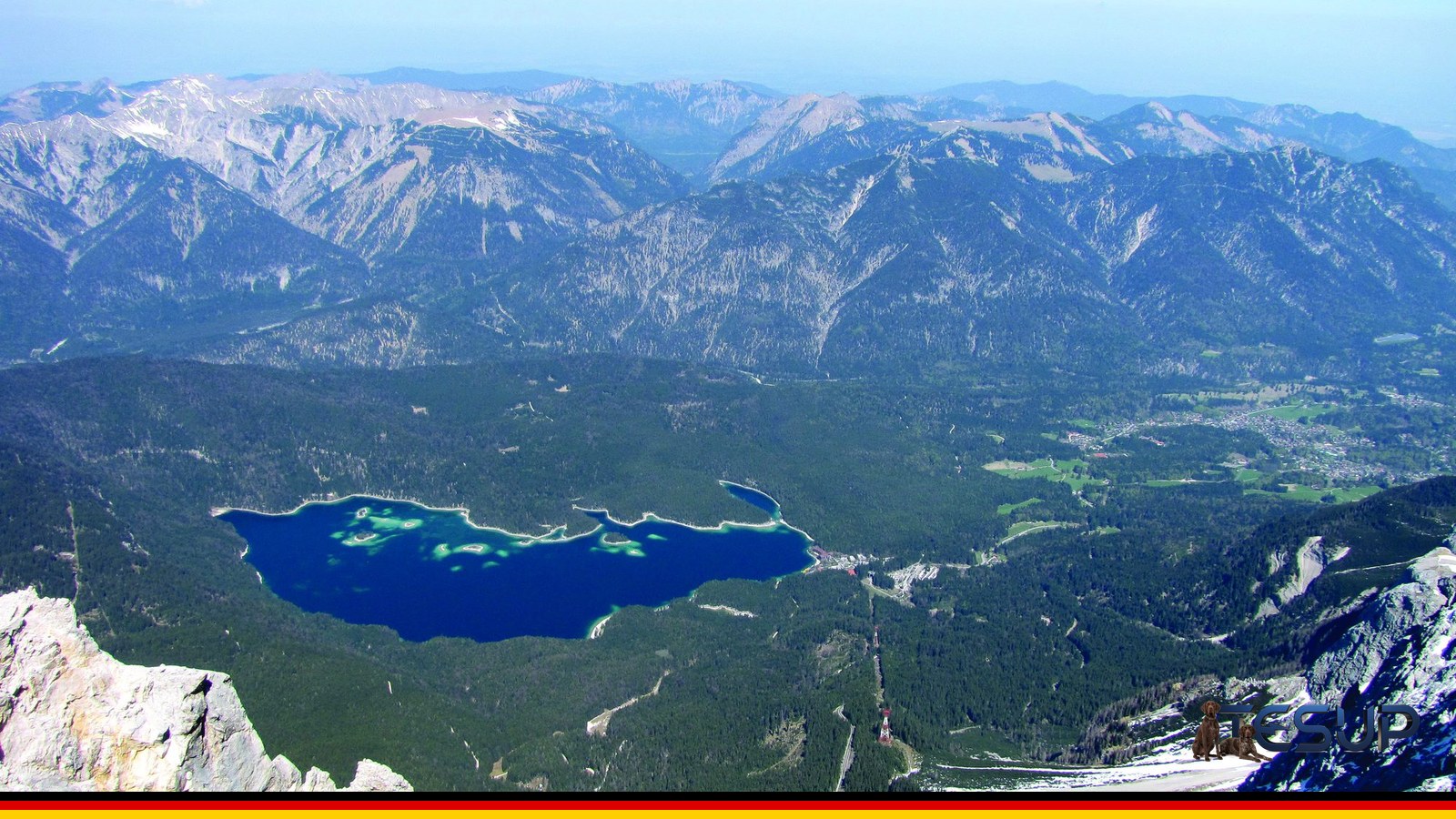
Our newest order has left the warehouse with DHL and is heading for Karlsruhe, a city of around 310,000 people in Baden-Württemberg, south-western Germany. In the boxes: two Magnum horizontal wind turbines, two blade sets, two charge controllers and the battery version with the 0.90 mm winding. Twice the Magnum, for a country where wind is already the biggest source of electricity.
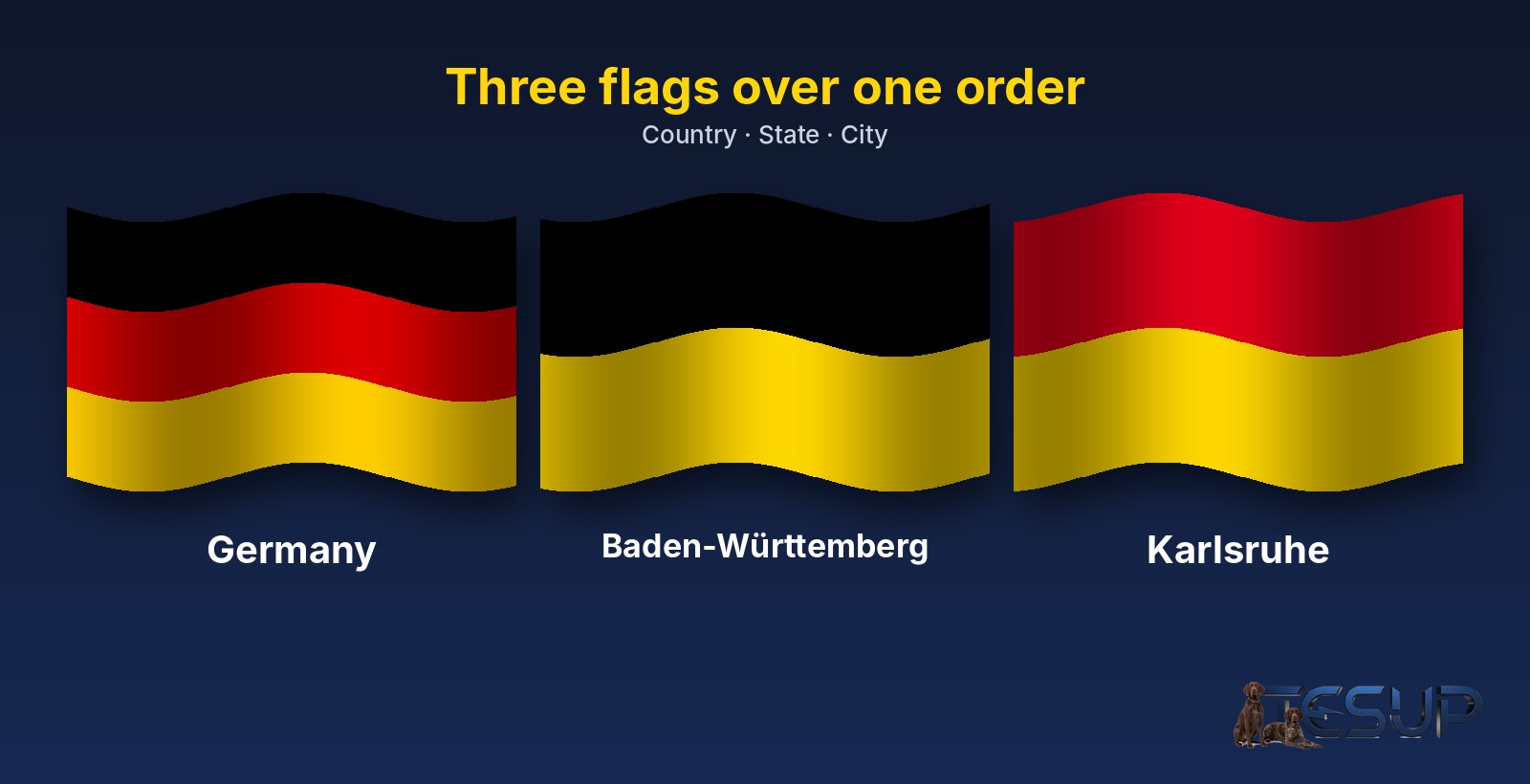
Germany is the land of the Energiewende, the energy transition, and it is also a land of flags, maps and mountains. So before the two turbines reach their new home, let us take the scenic route: from the black, red and gold of the national flag to the black and gold of Baden-Württemberg, from the Rhine plain up to the Black Forest and the Alps.
The fan city
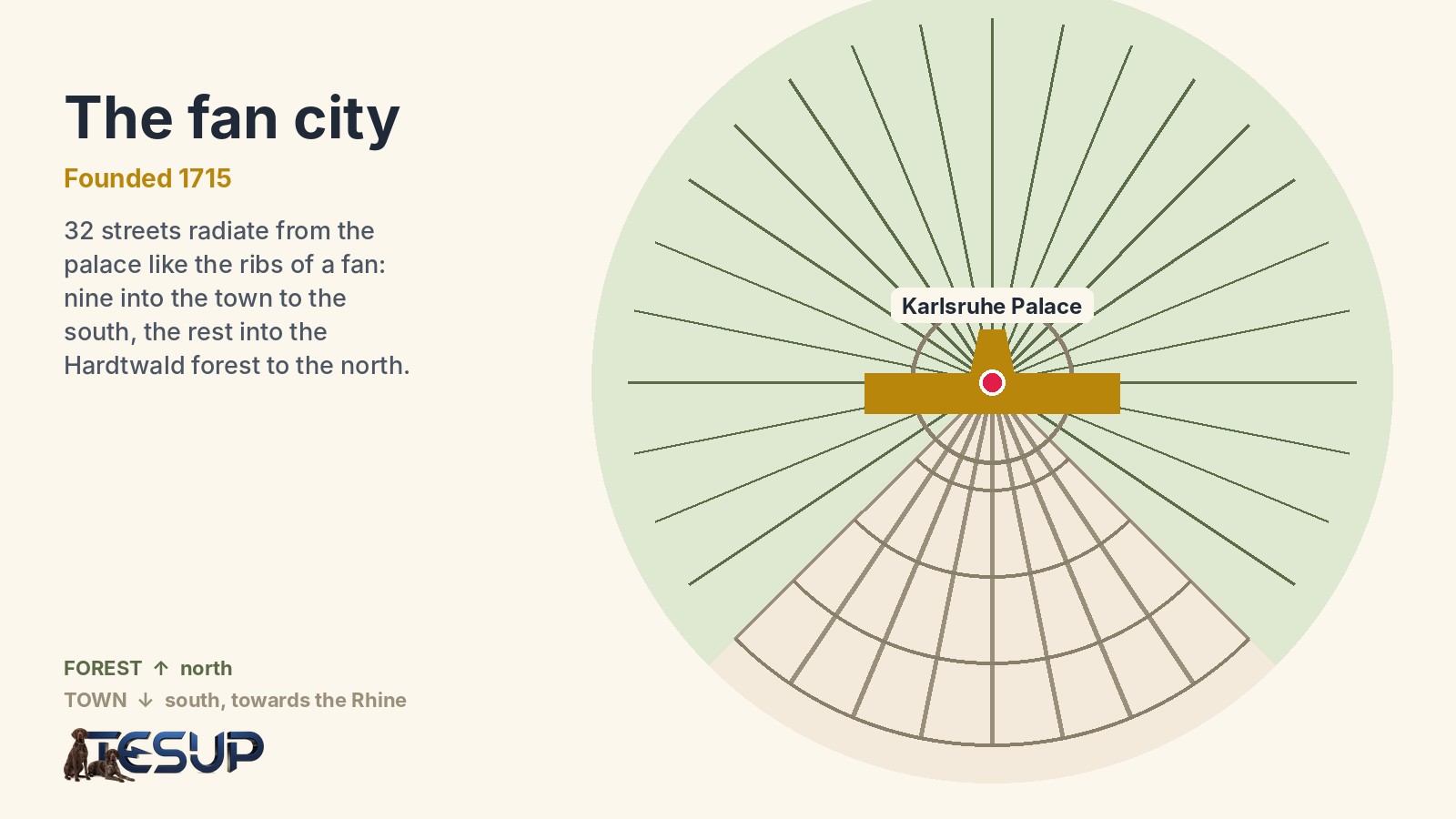
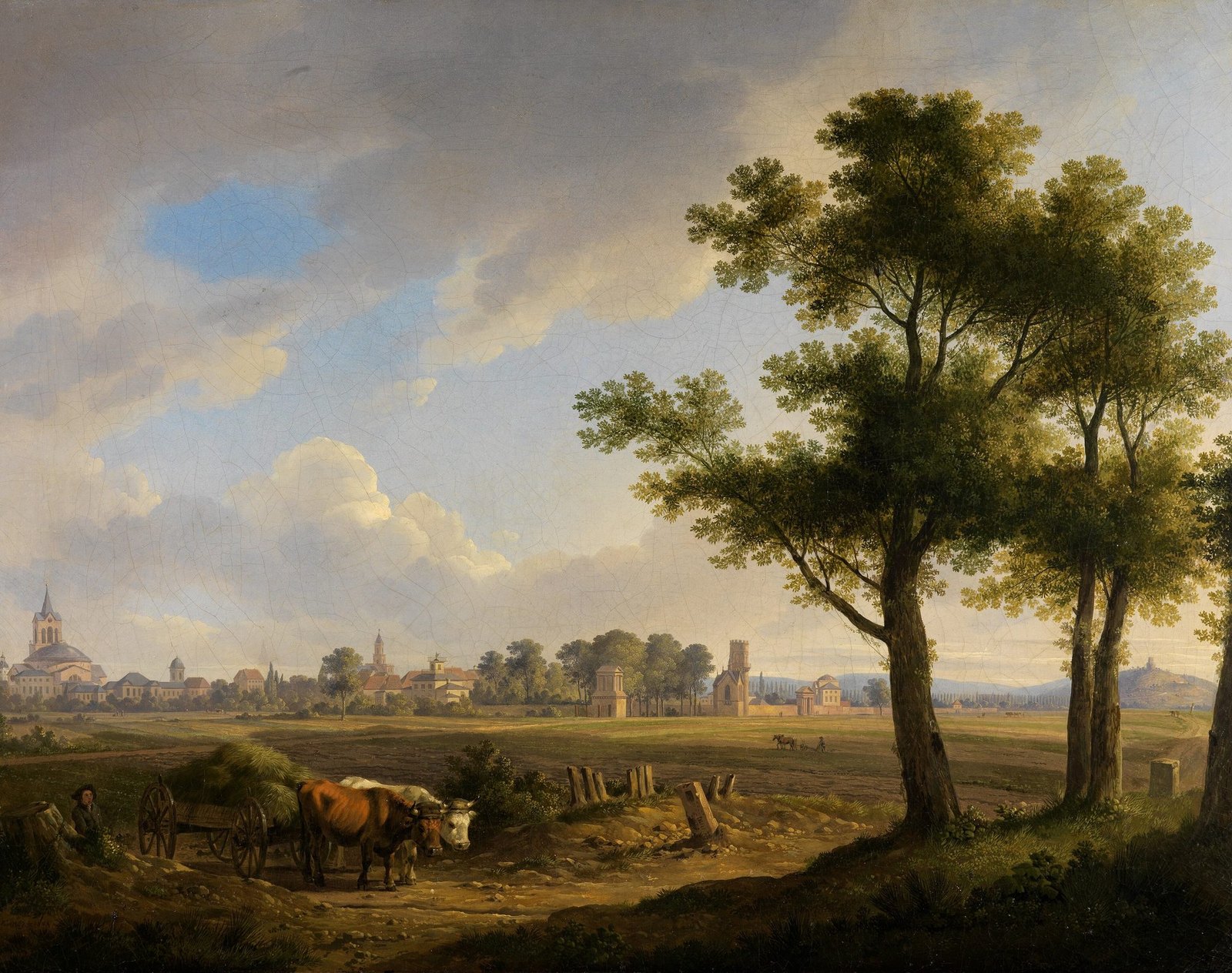
Karlsruhe is one of the few European cities that was drawn before it was built. In 1715 Margrave Karl Wilhelm of Baden-Durlach laid the foundation stone of a new palace in the Hardtwald forest and had 32 streets laid out from its tower like the ribs of a fan: nine of them run south into the town, the rest north into the woods. The plan is so clear that the city is still known as the Fächerstadt, the fan city, and the palace tower still sits at the centre of every map.
Radio waves, the first bicycle and the first car
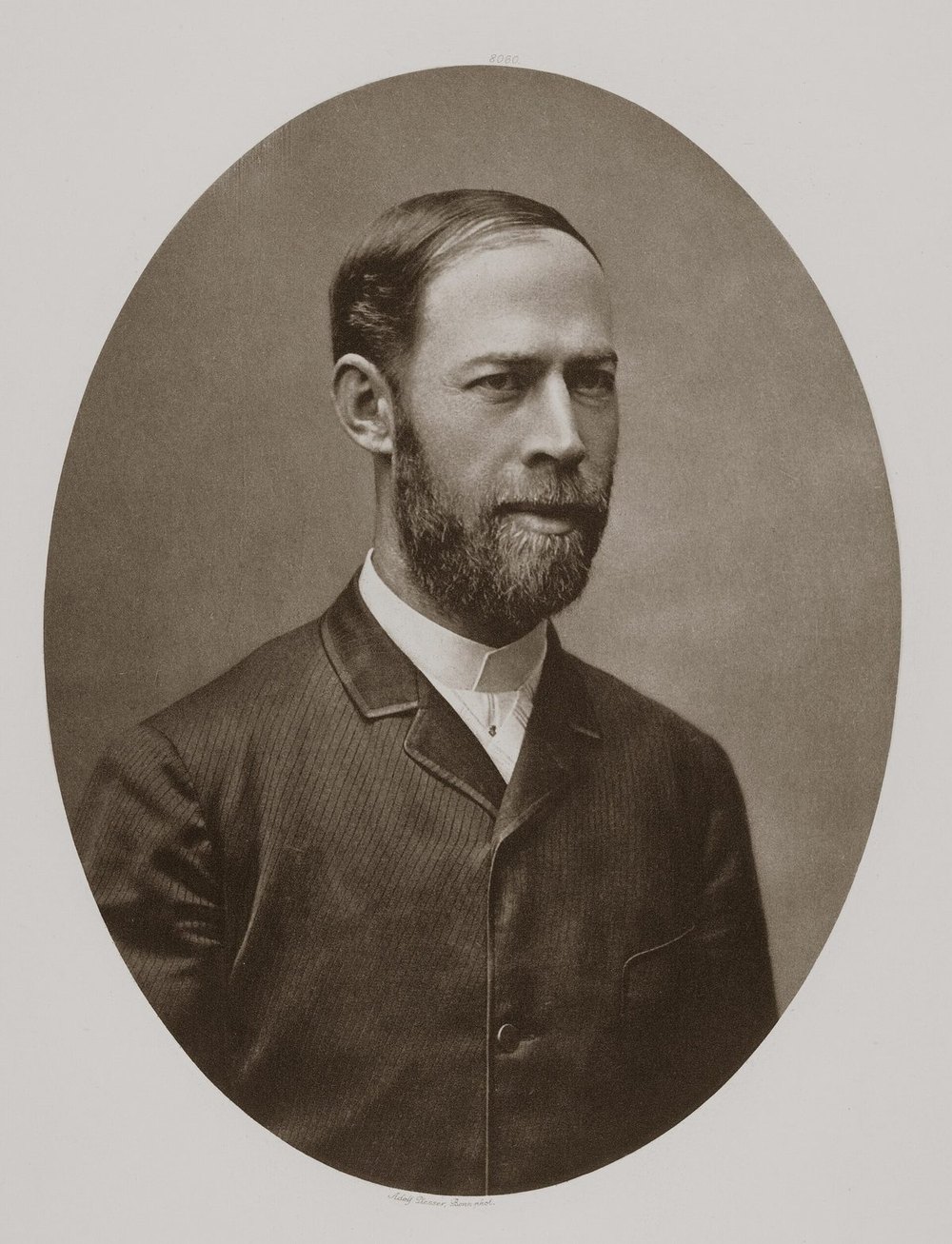
For a city of its size Karlsruhe has an extraordinary record of invention. In November 1886 Heinrich Hertz, a young professor at the Technische Hochschule, produced and detected electromagnetic waves for the first time, proving that radio waves exist and travel at the speed of light; every wireless signal since has been measured in hertz. Karl Drais, born in Karlsruhe in 1785, built the Laufmaschine, the running machine of 1817 that became the bicycle. Carl Benz, born in the Karlsruhe district of Mühlburg in 1844, built the first petrol car. Today the city is home to the Karlsruhe Institute of Technology, the Federal Constitutional Court and the Federal Court of Justice, and with around 2,000 hours of sunshine a year it is one of Germany's sunniest cities too.
Between the Rhine and the Black Forest
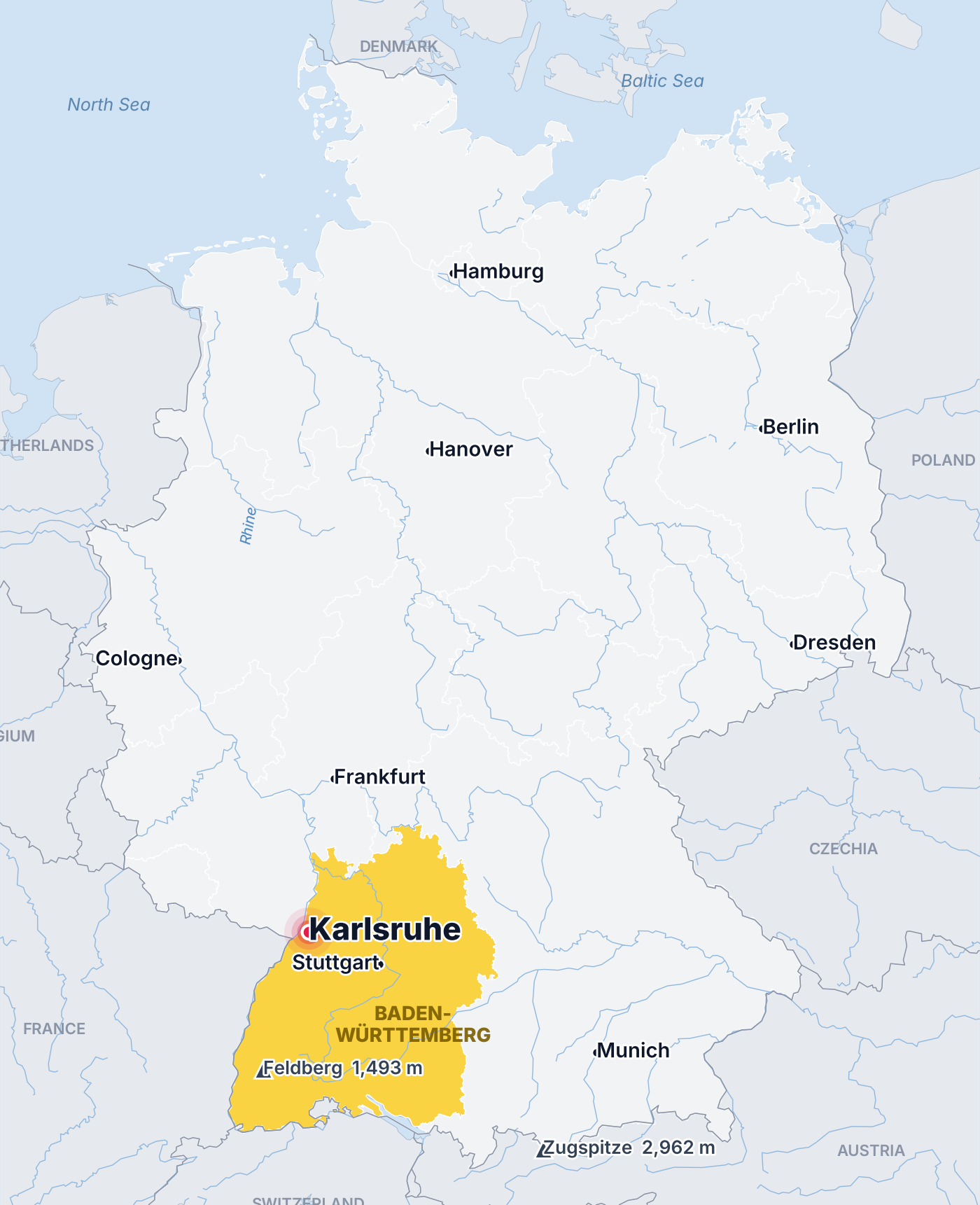
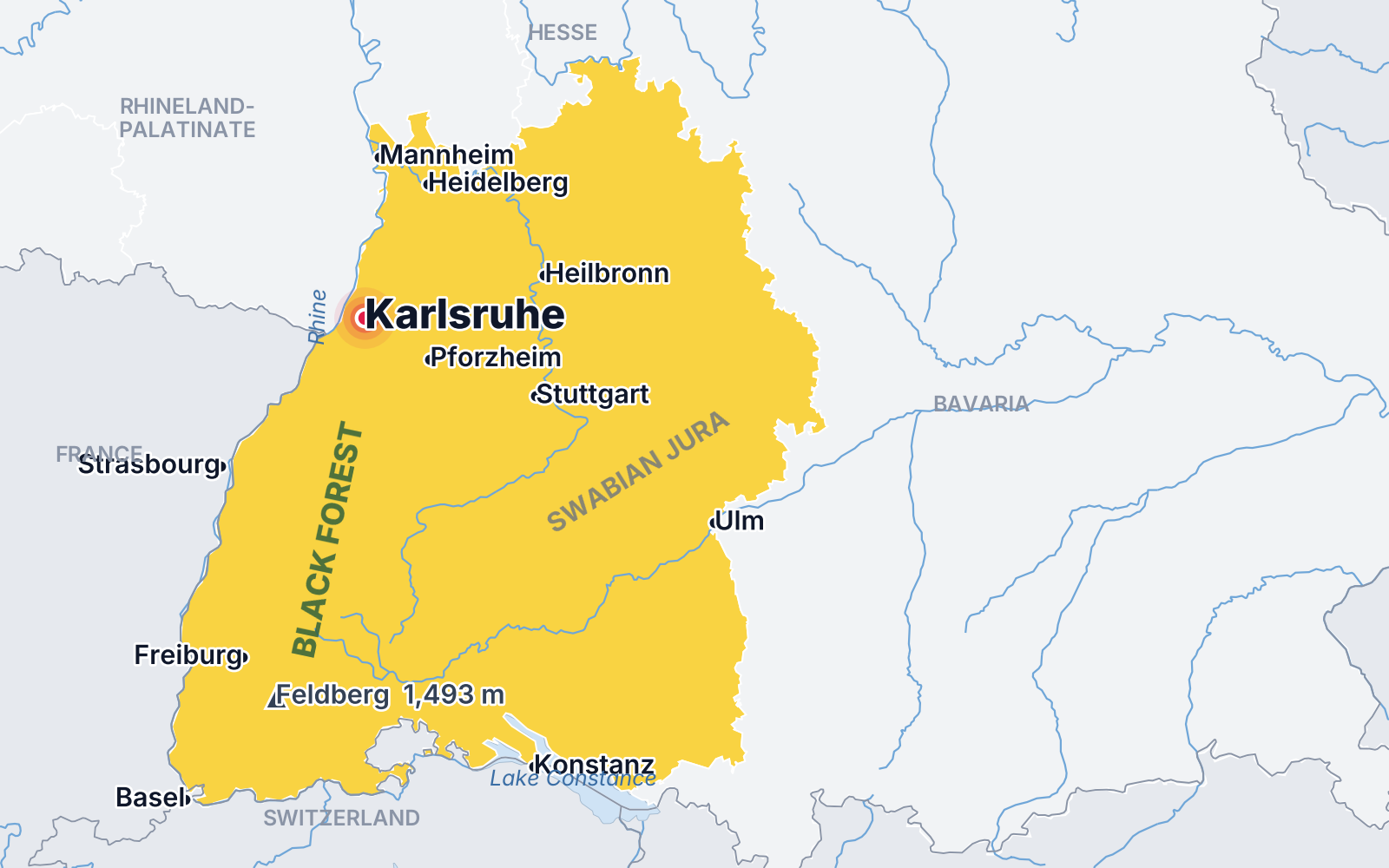
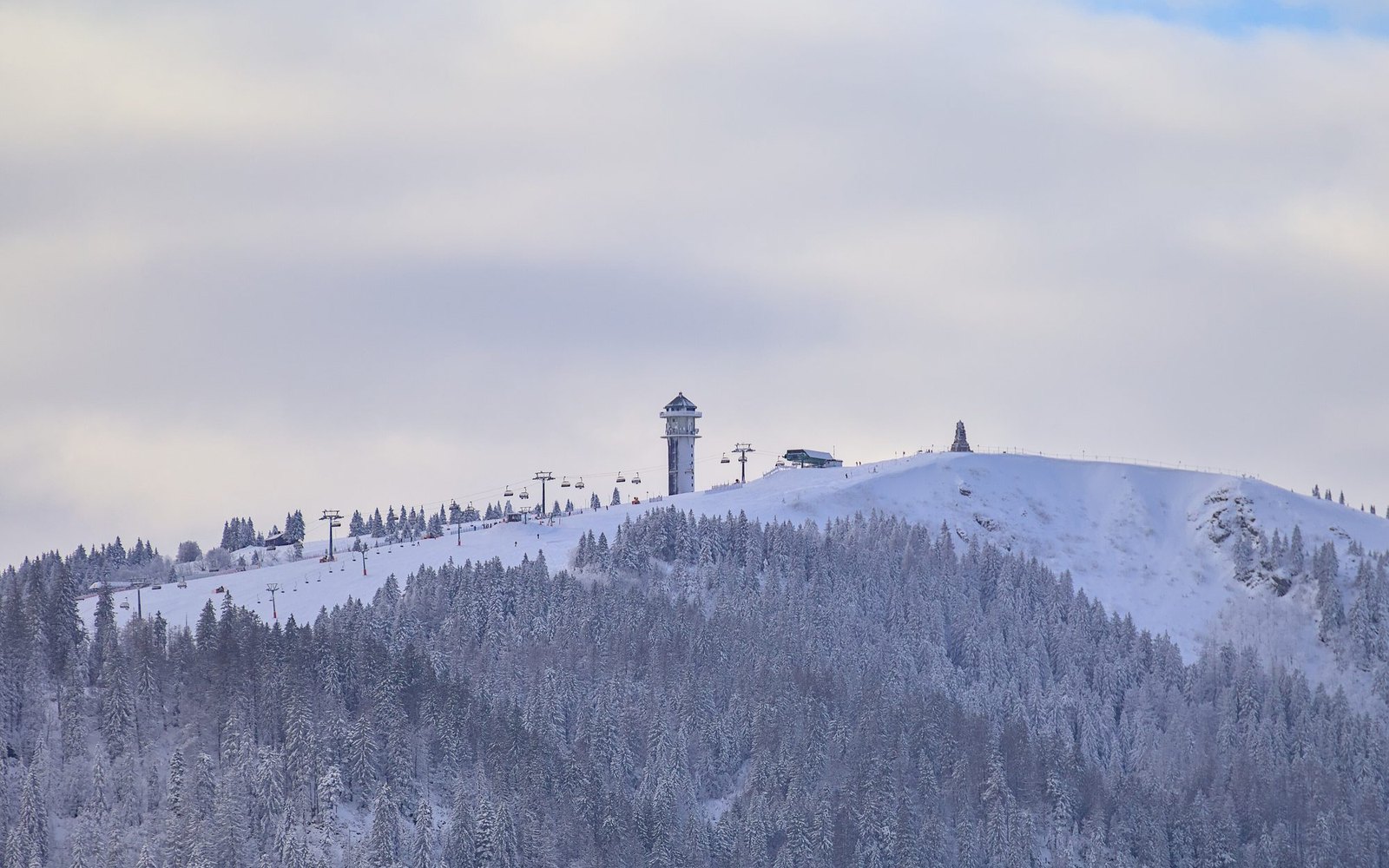
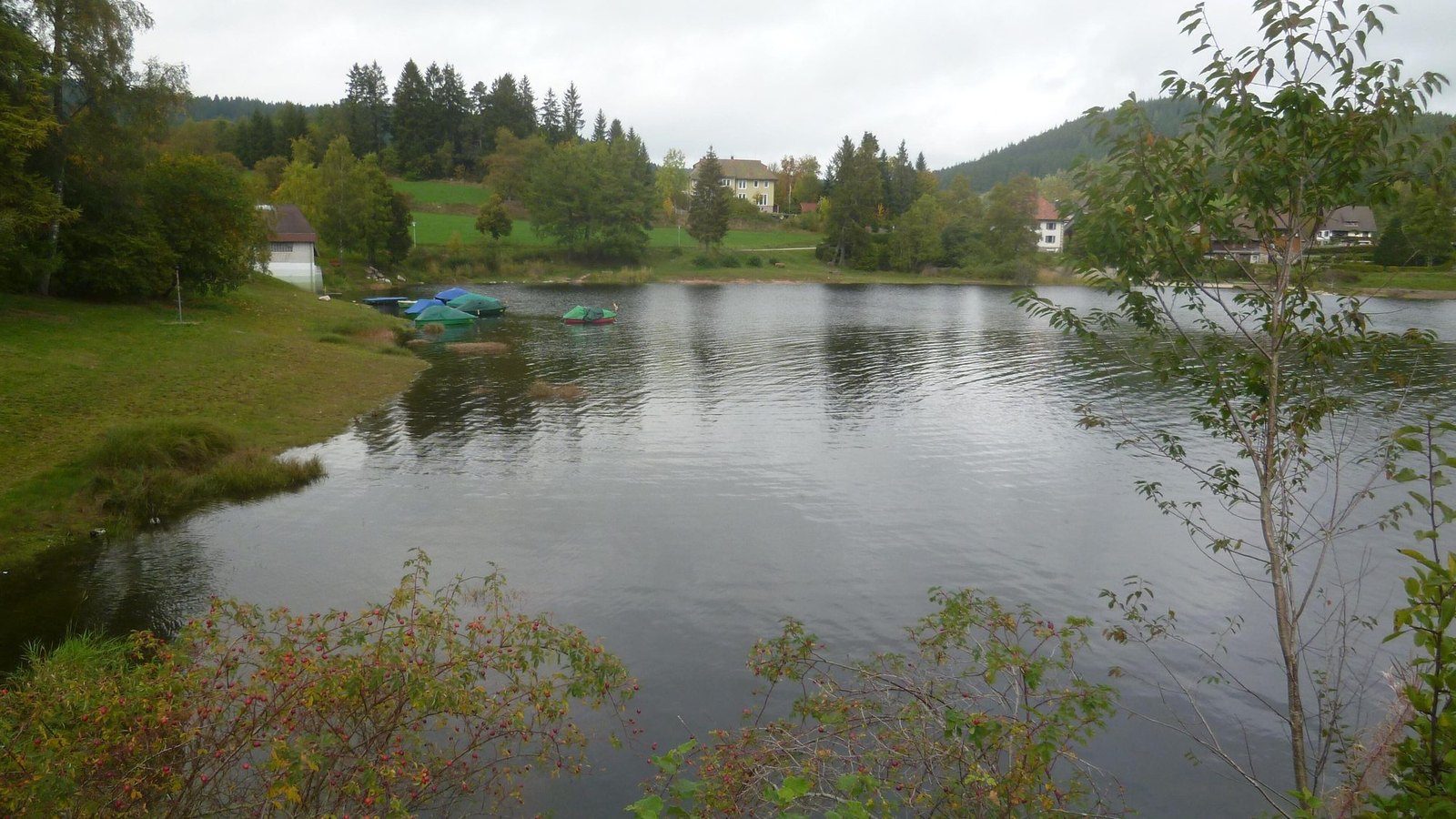
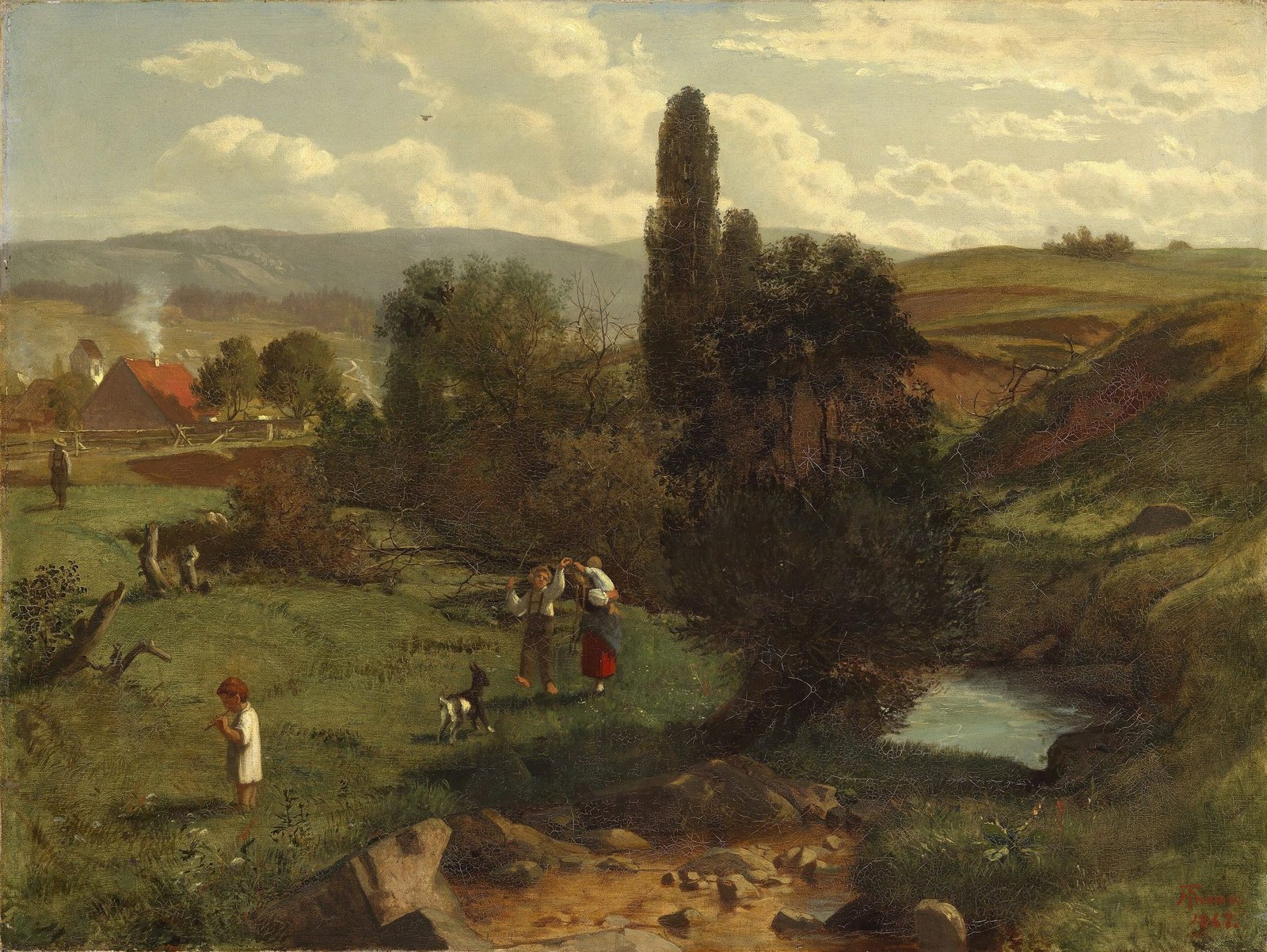
Baden-Württemberg is Germany's third-largest state, home to about 11.2 million people and to engineering towns such as Stuttgart, Mannheim and Heidelberg. Karlsruhe sits on its western edge, on the flat and warm Upper Rhine Plain, a little over 100 metres above sea level. Look east from the city and the land rises quickly: first the dark wooded ridges of the Black Forest, then its highest point, the Feldberg at 1,493 metres, the highest mountain in Germany outside the Alps. Beyond the forest lie the limestone plateau of the Swabian Jura and, on the Swiss and Austrian border, Lake Constance.
A country that runs on wind
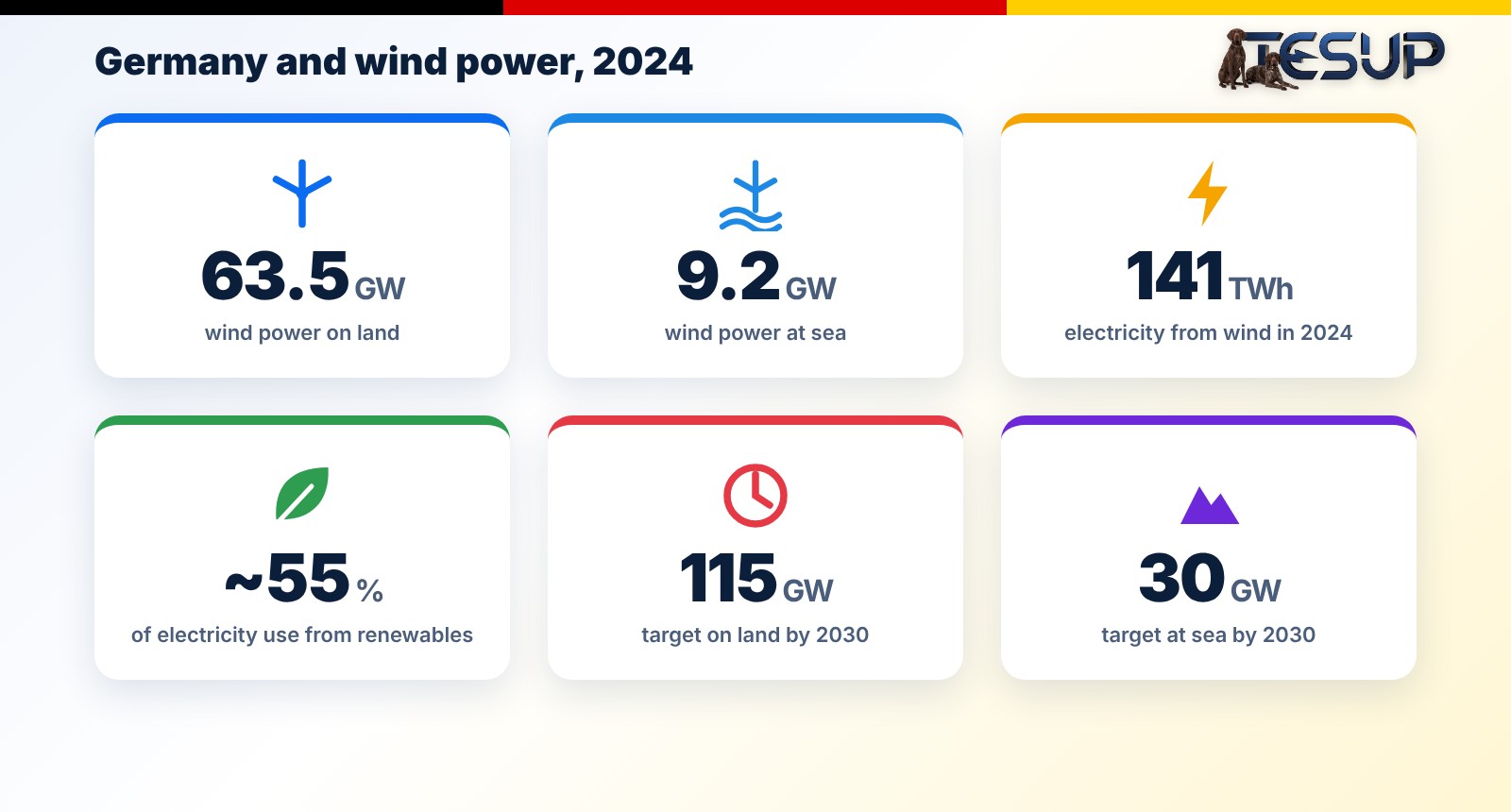
No large country has gone further with wind power than Germany. By the end of 2024 it had about 63.5 gigawatts of wind turbines on land and 9.2 gigawatts in the North Sea and the Baltic. Wind produced around 141 terawatt-hours of electricity in 2024, more than any other source, and renewables together covered roughly 55 percent of the country's electricity consumption. The targets for 2030 are 115 gigawatts on land and 30 gigawatts at sea. Most of that is big turbines on the windy northern plains, but the same wind blows over the Rhine valley, and a growing number of German households want a share of it in their own garden.
Two Magnums for Karlsruhe
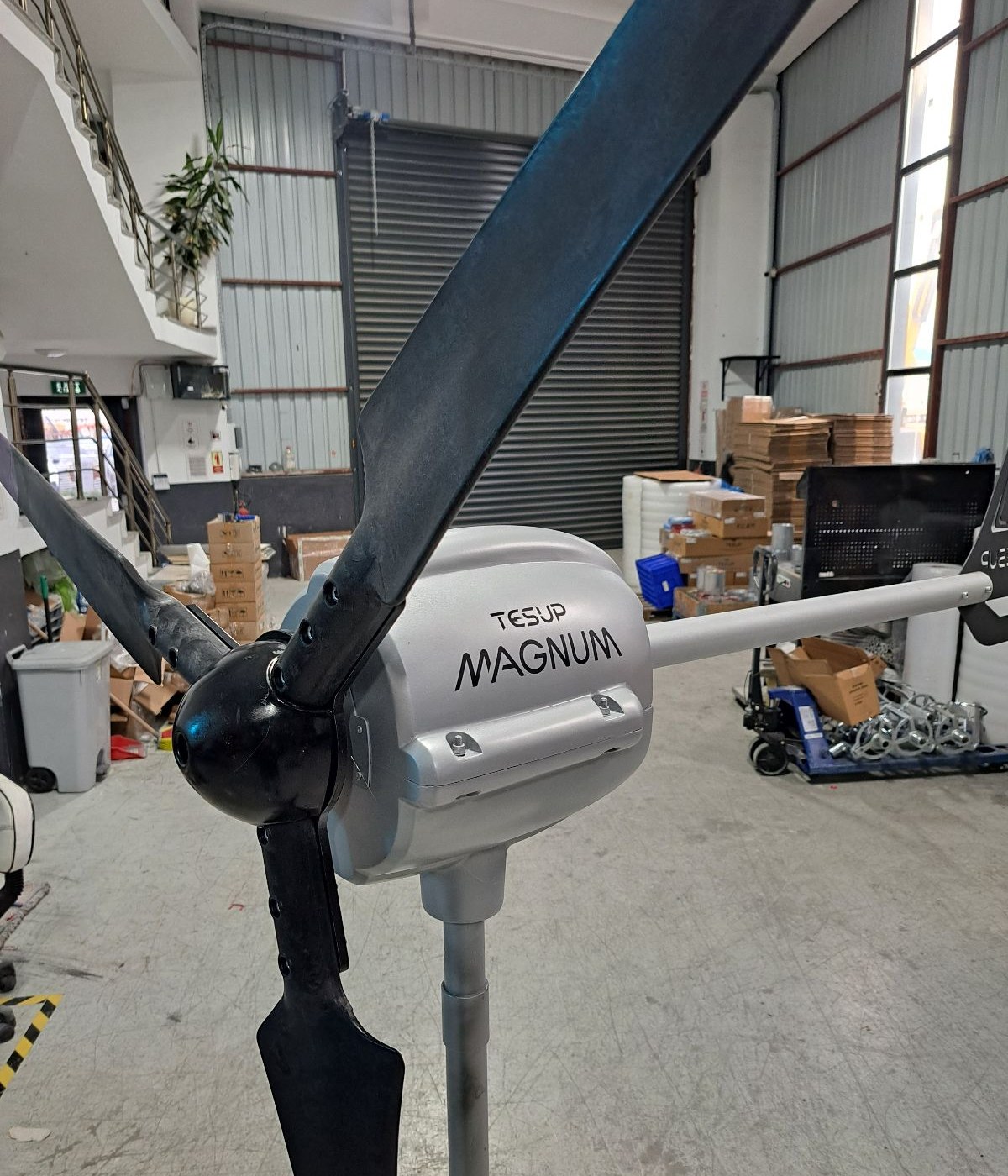
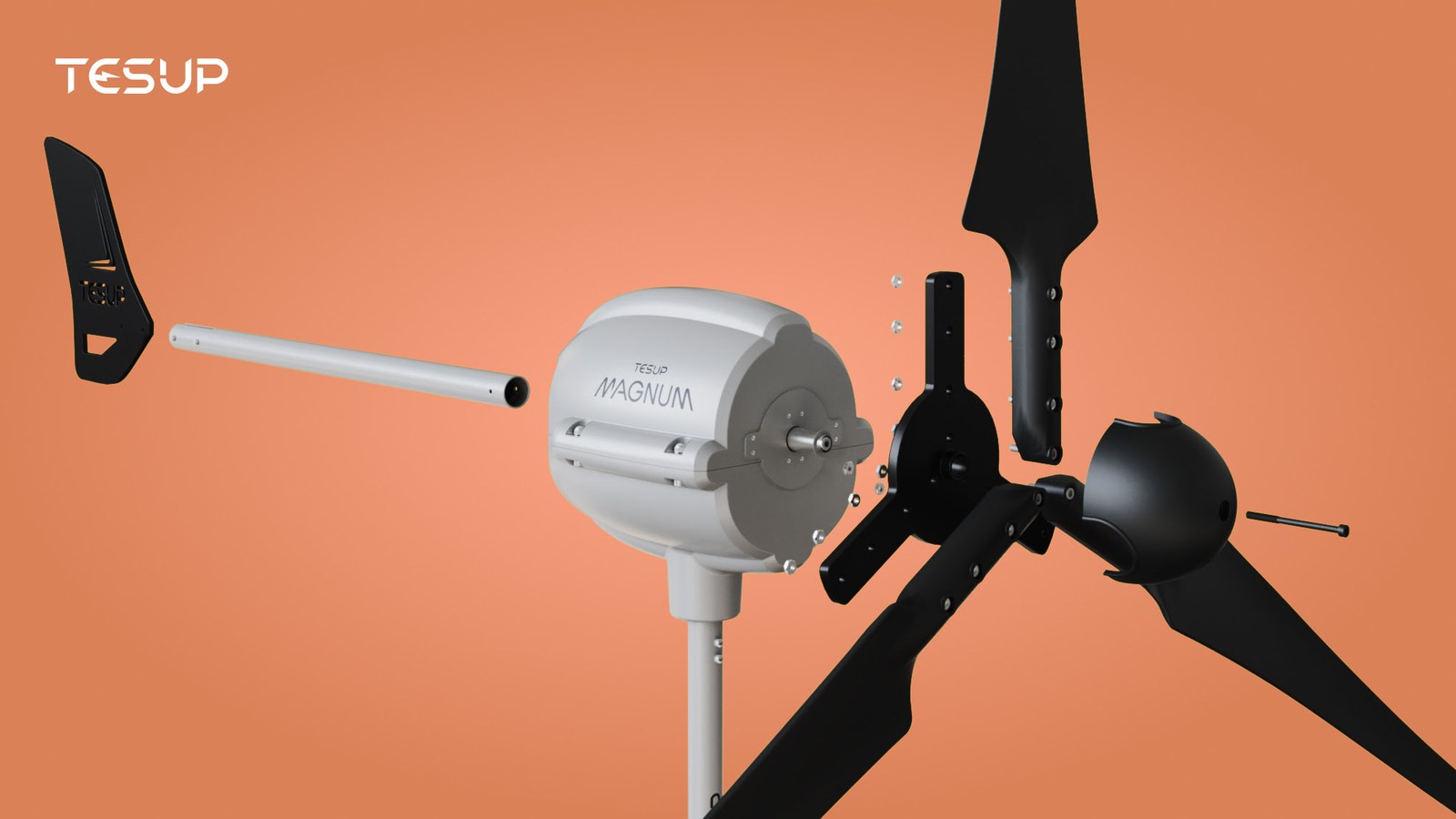
The order from Karlsruhe is a complete pair: two Magnum horizontal wind turbines, each with a 15 kW motor and a peak output of 12 kW, two Magnum blade sets and two Magnum charge controllers. Both turbines are the battery version with the 0.90 mm winding, which can charge 12, 24 or 48 volt battery banks, so the owner can run them side by side on one bank or feed two separate systems.
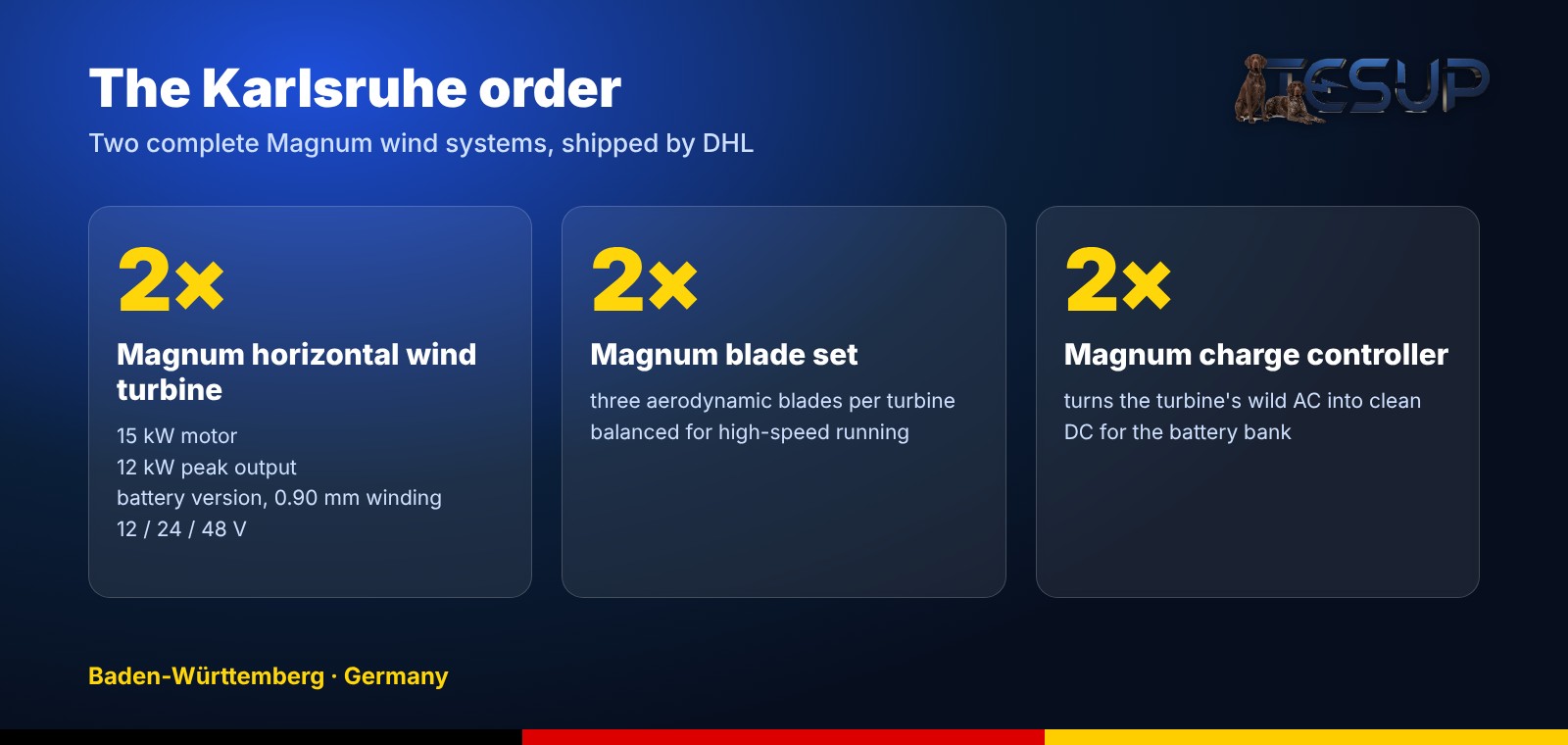
Magnum is the largest horizontal turbine we make. Its three aerodynamic blades are balanced for high-speed running, the body is built for year-round outdoor duty, and the charge controller turns the turbine's wild alternating current into clean direct current for the batteries. Two of them on the edge of the Rhine valley, where the westerlies arrive after crossing France, will have plenty to do.
Why small wind suits Germany
Germany has millions of rooftop solar systems, but solar is quiet in the winter months when heating demand is highest. Wind is the opposite: it blows hardest between November and March, and it works at night. A Magnum next to a solar array and a battery bank fills exactly the gap that the panels leave, which is why so many of our German customers combine the two. From the fan city to the Baltic coast, that is the mix the Energiewende is built on, one garden at a time.
Sources: Wikipedia, Karlsruhe and Karlsruhe Palace; Karlsruhe Institute of Technology, Heinrich Hertz press releases; IEEE Milestones, First generation and experimental proof of electromagnetic waves 1886 to 1888; City of Mannheim, Karl Drais; Wikipedia, Carl Benz; Wikipedia, Feldberg (Black Forest); Statistisches Landesamt Baden-Württemberg, population 2024; Bundesnetzagentur, Growth in renewable energy in 2024; Umweltbundesamt and Fraunhofer ISE, electricity generation 2024; Clean Energy Wire, German wind targets. Photographs and paintings via Wikimedia Commons, public domain or CC0 as credited.
Bring the wind home
Magnum is our most powerful horizontal wind turbine: 15 kW motor, 12 kW peak, for homes, farms and workshops with a good open site. Pair it with a Magnum charge controller for a complete battery-charging system.
Discover Magnum Magnum charge controller