

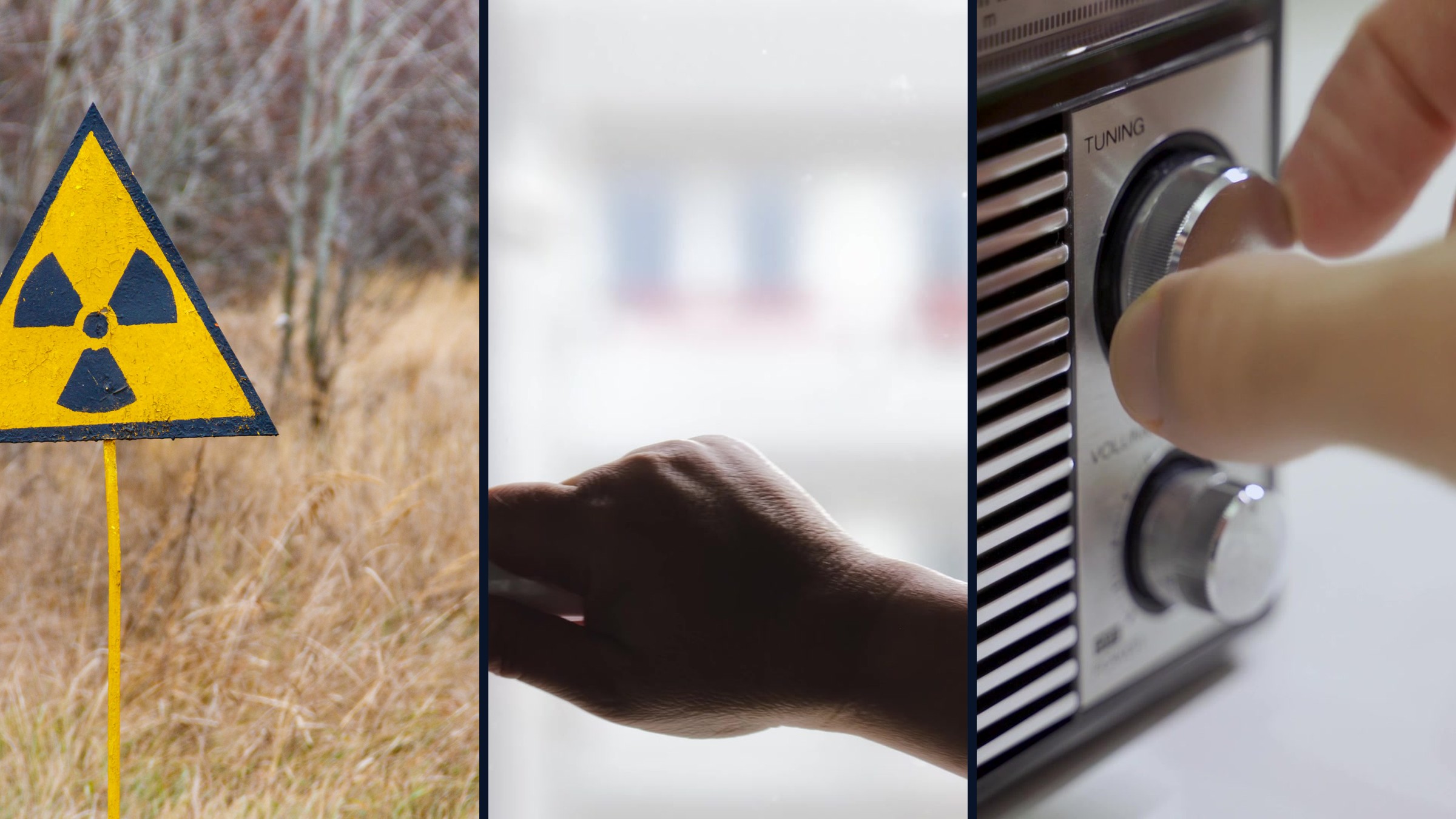
This article is public information, not an advertisement. It follows the public advice of the CDC, FEMA and the WHO. In an emergency, follow the instructions of your local authorities.
A nuclear accident, rockets hitting a nuclear plant in a war, or a nuclear warhead. The scenarios differ, but the advice for the first hours is the same, and those first hours decide most of the outcome.
The film is on Instagram if the embedded player does not load. Watch on Instagram
Why the first 24 to 72 hours matter most
Radioactive fallout is at its most dangerous in the first hours after it settles. Its radiation decays quickly: after a day it is a small fraction of what it was, and after two to three days it is a small fraction of that. The goal of everything below is simple: keep fallout dust off your body and out of your lungs for that window, and let time do the rest.
Step 1: get inside immediately
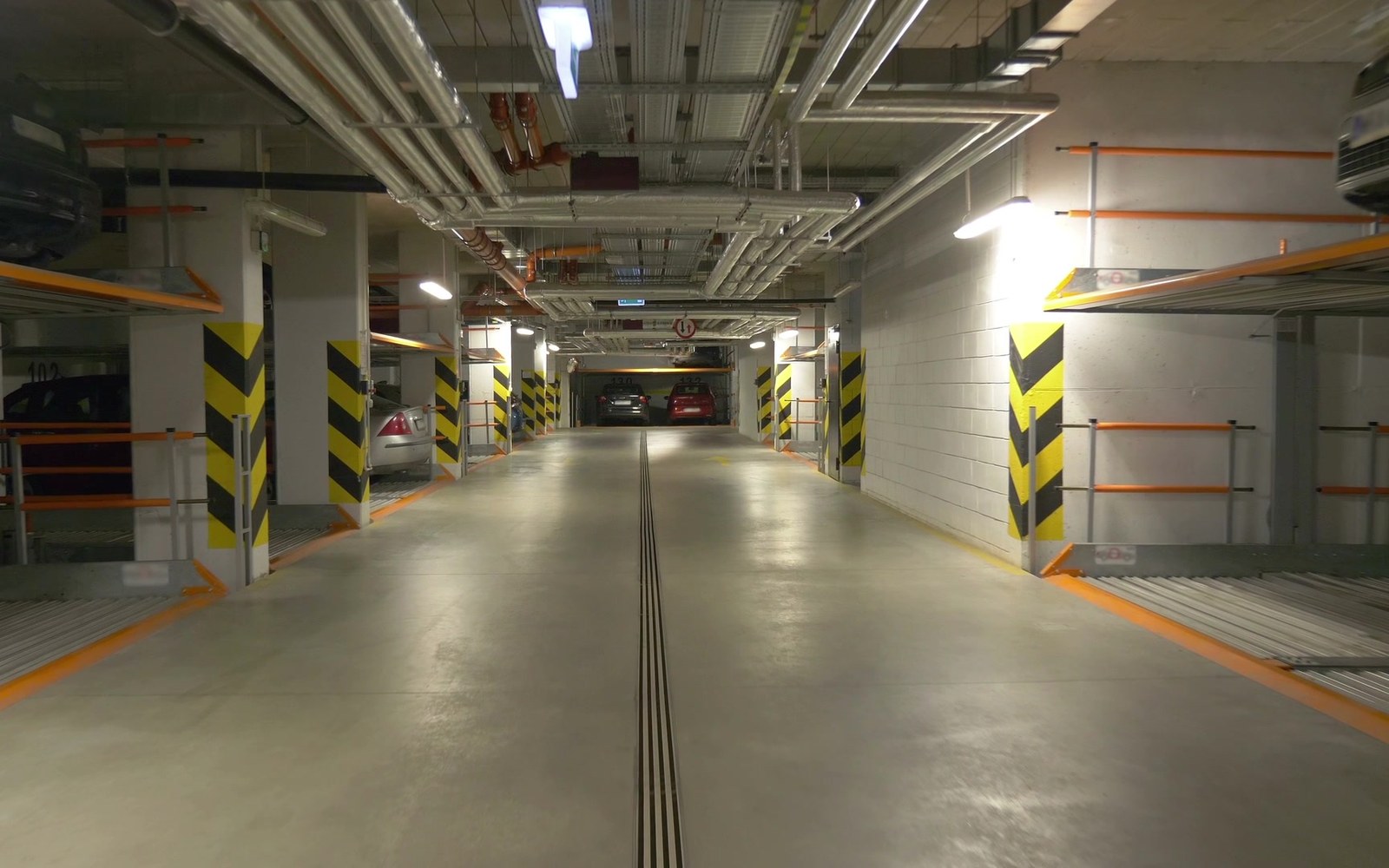
Go into the nearest solid building, brick or concrete if you can choose. Then go as deep into it as possible: the basement, or the middle of the building on a lower floor, away from windows and outer walls. Walls and distance from the outside are what protect you. A car is not shelter.
Step 2: seal the room
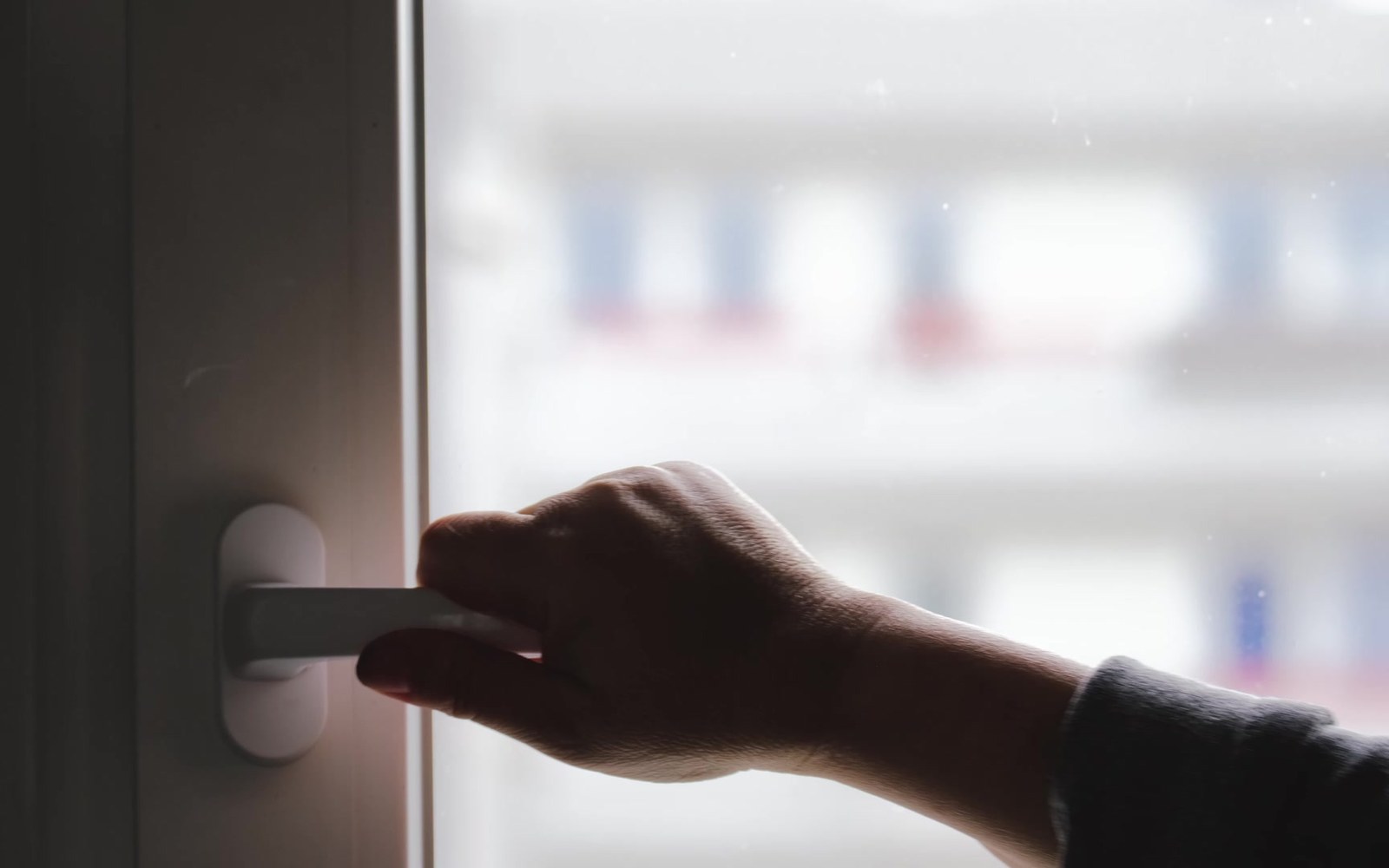
Close every door and window. Switch off fans, ventilation systems and air conditioning that pull in outside air. Bring pets inside. If you can, choose a room with few windows and keep the door shut.
Step 3: avoid fallout dust
Fallout is dust. If you were outside when it fell, take off your outer clothing before you join other people and seal it in a plastic bag, away from where you shelter. Removing the outer layer takes most of the contamination with it. Then wash exposed skin and hair with soap and water, or wipe with a wet cloth if water is short. Do not scratch or rub your skin.
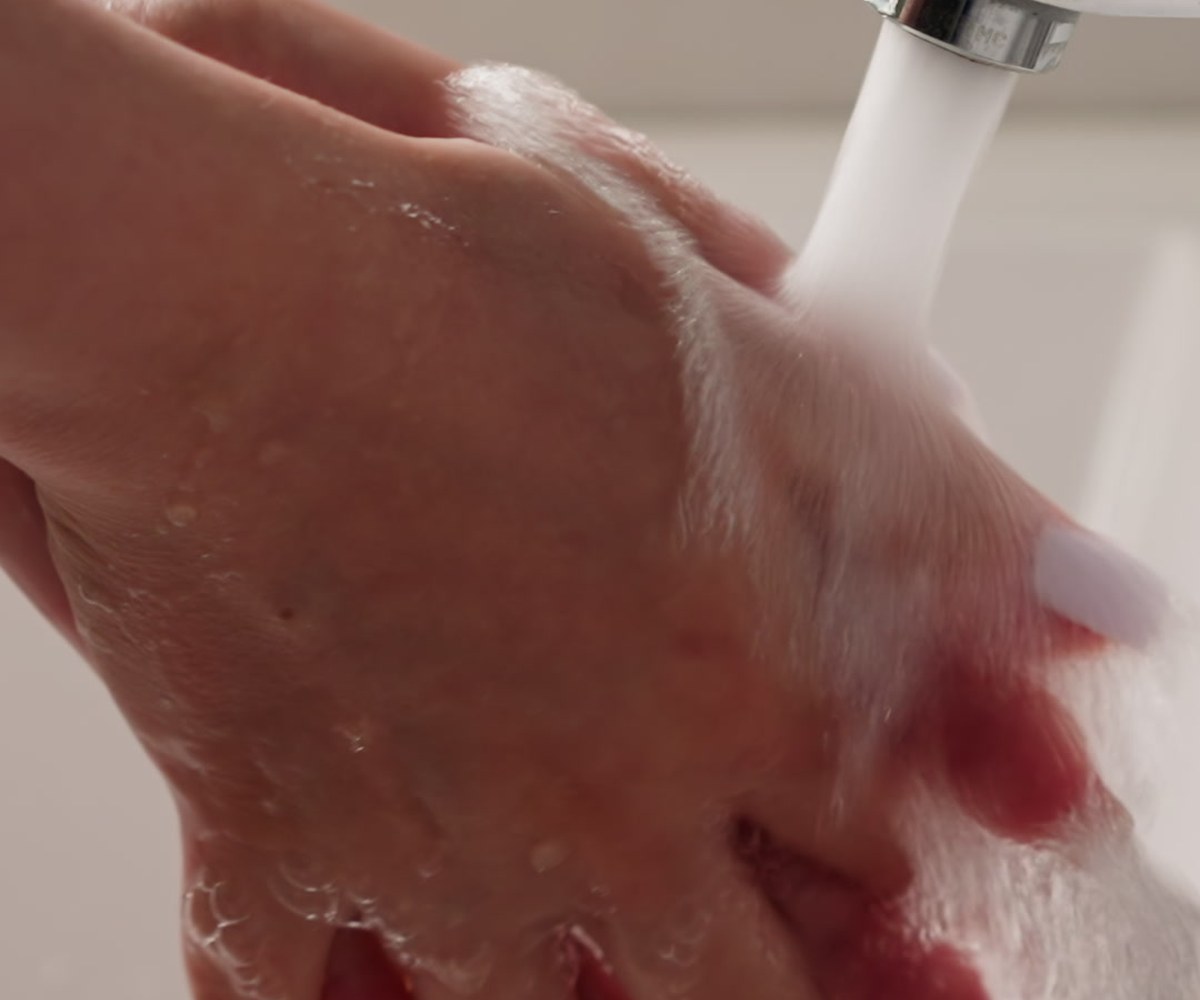
Step 4: stay inside
Stay inside for at least 24 hours, and until the authorities say it is safe to leave. Do not go out to look, to fetch things or to check on the car. Sealed, packaged food and bottled water are safe to use. Leaving early is the most common mistake.

Step 5: stay tuned
Official instructions come by radio and by emergency alerts on your phone. Keep a battery or hand-crank radio in the house and keep your phone charged. Mobile networks may be overloaded or down, so radio is the fallback.
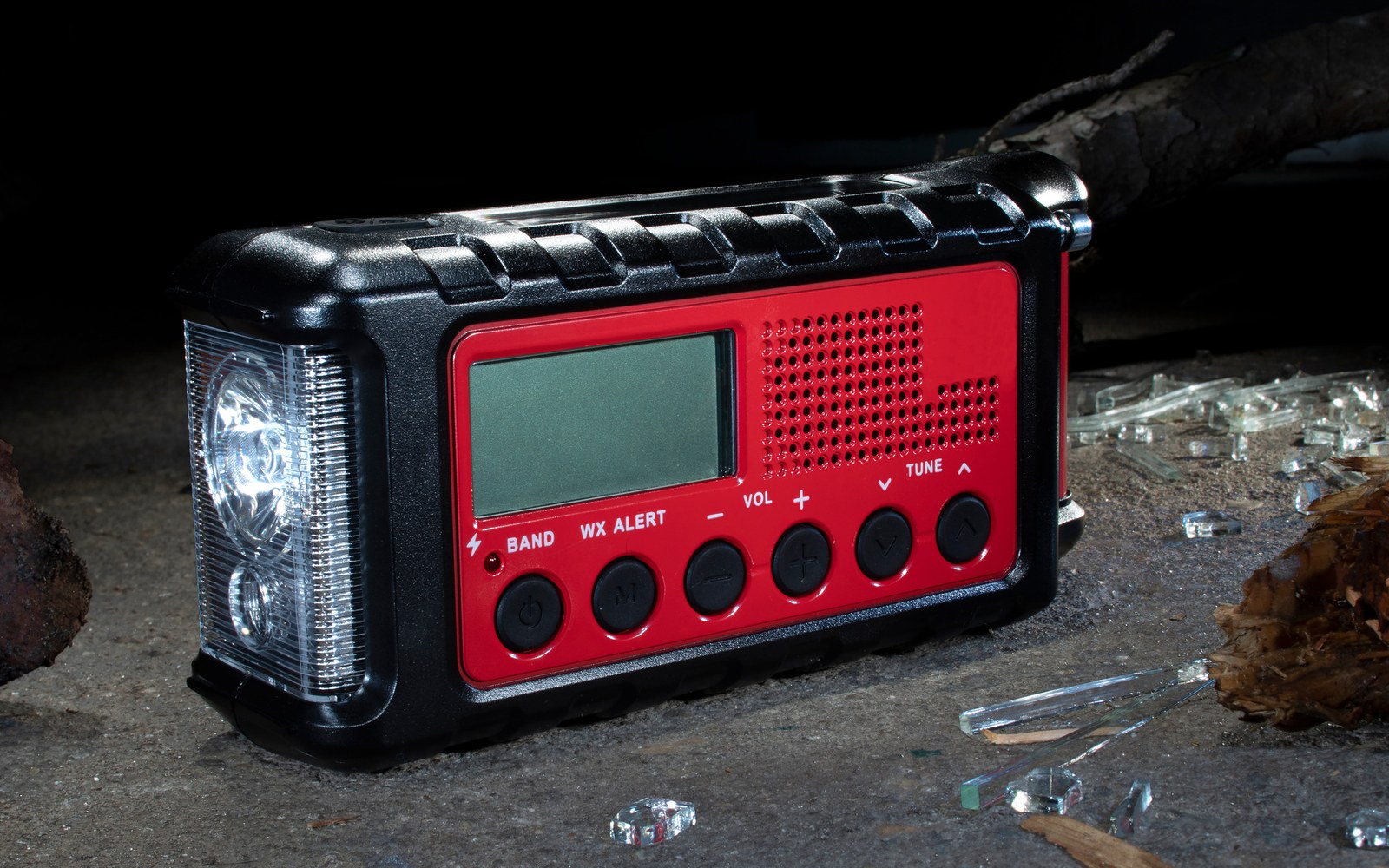
Power during the shelter period
Power lines can fail or be shut down. Phones, radios and lights run on batteries, and batteries drain within a day. Plan a power source that does not depend on the grid before you need it.
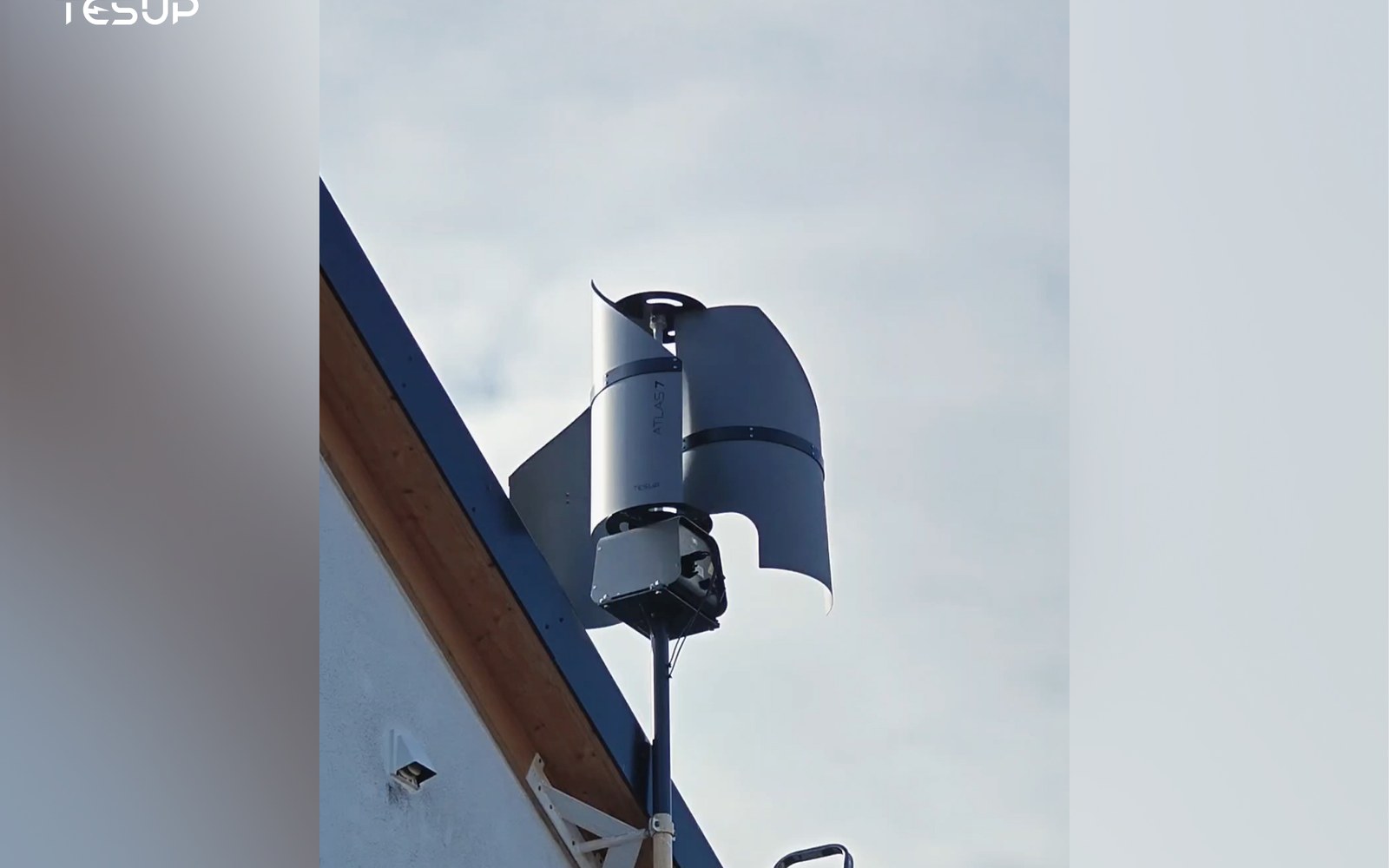
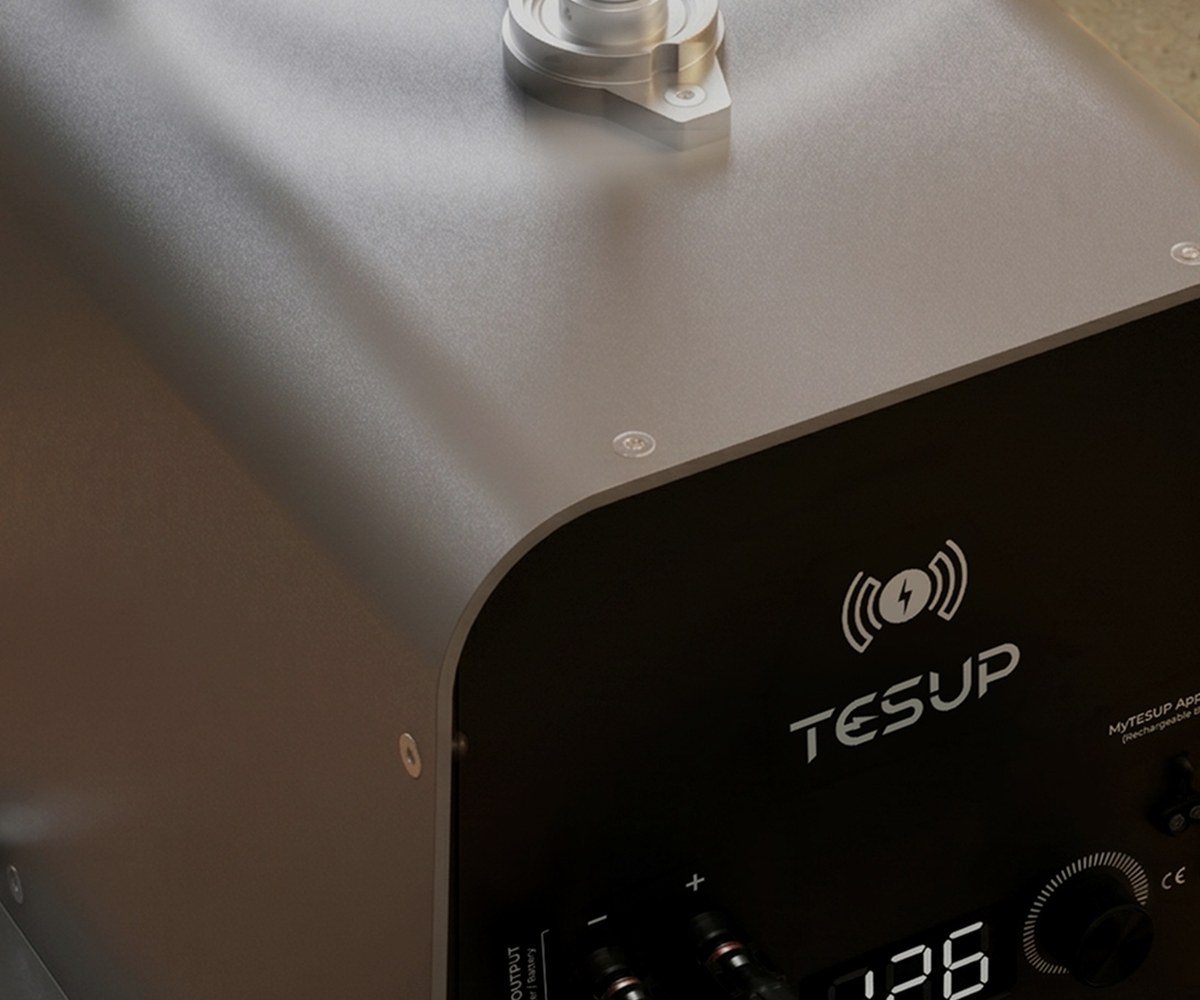
Household wind turbine bodies work in a useful way here: on a roof the wind turns them, and indoors a hand crank does. Turning one by hand produces usable electricity, enough for a phone, a radio and a light in the days that matter most. Whatever you choose, test it once before an emergency, not during one.
Keep this checklist
- Get inside. Brick or concrete, basement or middle of the building, away from windows.
- Seal the room. Doors and windows closed, ventilation and air conditioning off, pets inside.
- Avoid the dust. Outer clothing off and bagged, skin and hair washed.
- Stay inside at least 24 hours, until the authorities say it is safe.
- Stay tuned. Radio and emergency alerts; battery or hand-crank radio; phone charged.
- Plan power that does not depend on the grid.
TESUP makes household wind turbines and flexible solar panels. This article is for information only. Household wind turbines · Magnum turbines